
Types of Bellows Expansion Joints: A Comprehensive Guide
By:Admin
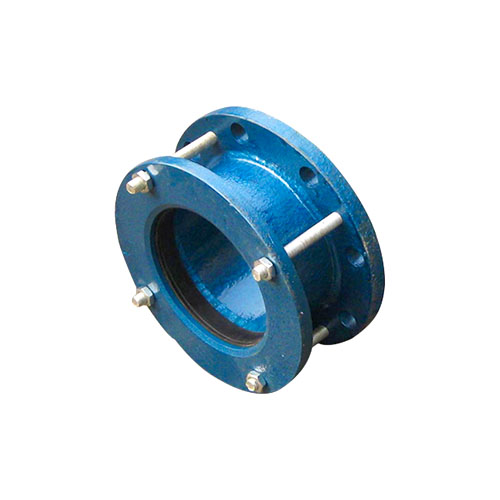
Expansion joints are essential components in piping systems, designed to absorb thermal expansion, vibrations, and mechanical movements, thereby protecting pipelines and equipment from damage. Among the various types of expansion joints available, bellows expansion joints stand out due to their flexibility and effectiveness in compensating for axial, lateral, and angular movements. This article explores the different types of bellows expansion joints, their applications, and their significance in modern industry.
### What Are Bellows Expansion Joints?
Bellows expansion joints consist of one or more flexible metal bellows made from high-quality materials such as stainless steel or other corrosion-resistant alloys. These bellows are welded between two flanges or end connectors, allowing the joint to absorb movement in pipelines caused by thermal changes, mechanical forces, or external vibrations.
Due to their unique construction, bellows can handle a variety of stresses without compromising the integrity of the piping system. They are widely used in sectors such as power generation, chemical processing, petrochemical, HVAC (heating, ventilation, and air conditioning), and marine industries.
### Types of Bellows Expansion Joints
Bellows expansion joints come in several types, each tailored to specific operational requirements. Understanding these types helps engineers and maintenance teams select the appropriate joint for their system.
#### 1. **Single-Ply Bellows Expansion Joint**
This is the most common type of bellows expansion joint, featuring a single layer of metal bellows. It offers good flexibility and is suitable for applications involving moderate pressure and temperature ranges. Single-ply bellows are widely used in HVAC systems, water treatment plants, and general industrial piping.
#### 2. **Multi-Ply Bellows Expansion Joint**
Multi-ply bellows consist of several thin layers of metal bellows welded together. This increases flexibility and provides higher resistance to pressure and fatigue. These joints perform well in demanding applications where repeated movement and thermal cycling are involved, such as in power plants and chemical processing facilities.
#### 3. **Universal Bellows Expansion Joint**
Universal bellows expansion joints have two bellows connected by a center pipe and two cover plates. They can absorb axial, lateral, and angular movements simultaneously, offering superior flexibility. These joints reduce system loads significantly and are ideal for long pipelines with complex movements.
#### 4. **Pressure Balanced Bellows Expansion Joint**
Designed specifically to negate internal pressure thrust forces, pressure balanced joints feature an additional bellows and a specialized balancing device. This setup makes them indispensable in systems where anchors and guides are limited, such as in large-diameter pipelines and reactors.
#### 5. **Conical Bellows Expansion Joint**
Conical bellows have tapered bellows that allow radial movement. They are suitable for applications where lateral movement is significant but space constraints restrict installation of lateral joints. These are often employed in nuclear power plants and high-temperature steam systems.
#### 6. **Hinged Bellows Expansion Joint**
Hinged bellows joints use hinges on either side of the bellows to absorb angular movement and reduce thrust forces on the pipeline. They are used in applications with controlled angular deflections, such as in bridges and structural pipe supports.
#### 7. **Lug Type Bellows Expansion Joint**
Featuring lugs that provide convenient pipe tie-in points, lug type joints are useful in installations where the joint might need to be removed without disturbing the entire pipeline system. They allow easy maintenance and replacement, prevalent in water and wastewater treatment plants.
### Why Choose Bellows Expansion Joints?
Metal bellows expansion joints offer several advantages over other types of compensators. Their metallic construction provides excellent resilience to high temperatures and pressures, corrosion resistance, and long service life. They efficiently handle multidirectional movement with minimal leakage risk.
Additionally, bellows joints help protect mechanical equipment by absorbing vibrations and noise generated within piping systems. Their compact design allows them to fit into constrained spaces, while customization options enable tailored solutions for unique industrial challenges.
### Industrial Applications of Bellows Expansion Joints
Bellows expansion joints are critical components in various industries, helping maintain safety, efficiency, and reliability.
- **Power Generation:** In thermal and nuclear power plants, bellows joints accommodate the expansion and contraction of steam pipes, preventing fatigue failure in high-temperature environments.
- **Chemical Processing:** These joints resist corrosion and can handle aggressive chemical environments, protecting pipelines carrying acids, solvents, and other hazardous materials.
- **HVAC Systems:** Bellows expansion joints in heating and cooling systems mitigate thermal expansion, reducing stress on equipment and improving system longevity.
- **Marine Industry:** Shipbuilding involves complex piping systems exposed to constant vibrations and differing temperatures; bellows expansion joints ensure structural integrity in these demanding conditions.
- **Oil and Gas:** Pipelines transporting crude oil, gas, and refined products benefit from bellows joints’ ability to handle pressure fluctuations and corrosive substances.
### Enhancing System Performance with Expert Support
The proper design, selection, and installation of bellows expansion joints are crucial for optimal performance. Working with experienced manufacturers and suppliers who offer comprehensive engineering support can help ensure the right type and configuration of expansion joints are chosen for specific applications.
These experts provide design calculations, material recommendations, and quality assurance to meet industry standards. Professional guidance also prevents common issues like improper alignment, incorrect pipe support, or unsuitable materials that can lead to premature failure.
### Conclusion
Bellows expansion joints are indispensable components in modern piping systems, offering unmatched flexibility, durability, and reliability. With multiple types available—from single-ply to pressure balanced, each serves distinct purposes demanding careful consideration during selection.
Understanding the types and applications of bellows expansion joints equips engineers and maintenance professionals to enhance system safety and efficiency across industries. As industrial processes evolve and demand more resilient solutions, bellows expansion joints remain a proven, adaptable technology critical to sustaining operational excellence.
---
Whether upgrading an existing piping system or designing a new project, choosing the appropriate bellows expansion joint type ensures protection against thermal and mechanical stresses, contributing significantly to the longevity and performance of industrial infrastructure.